


Culture
Digital Preservation of Cultural Heritage:
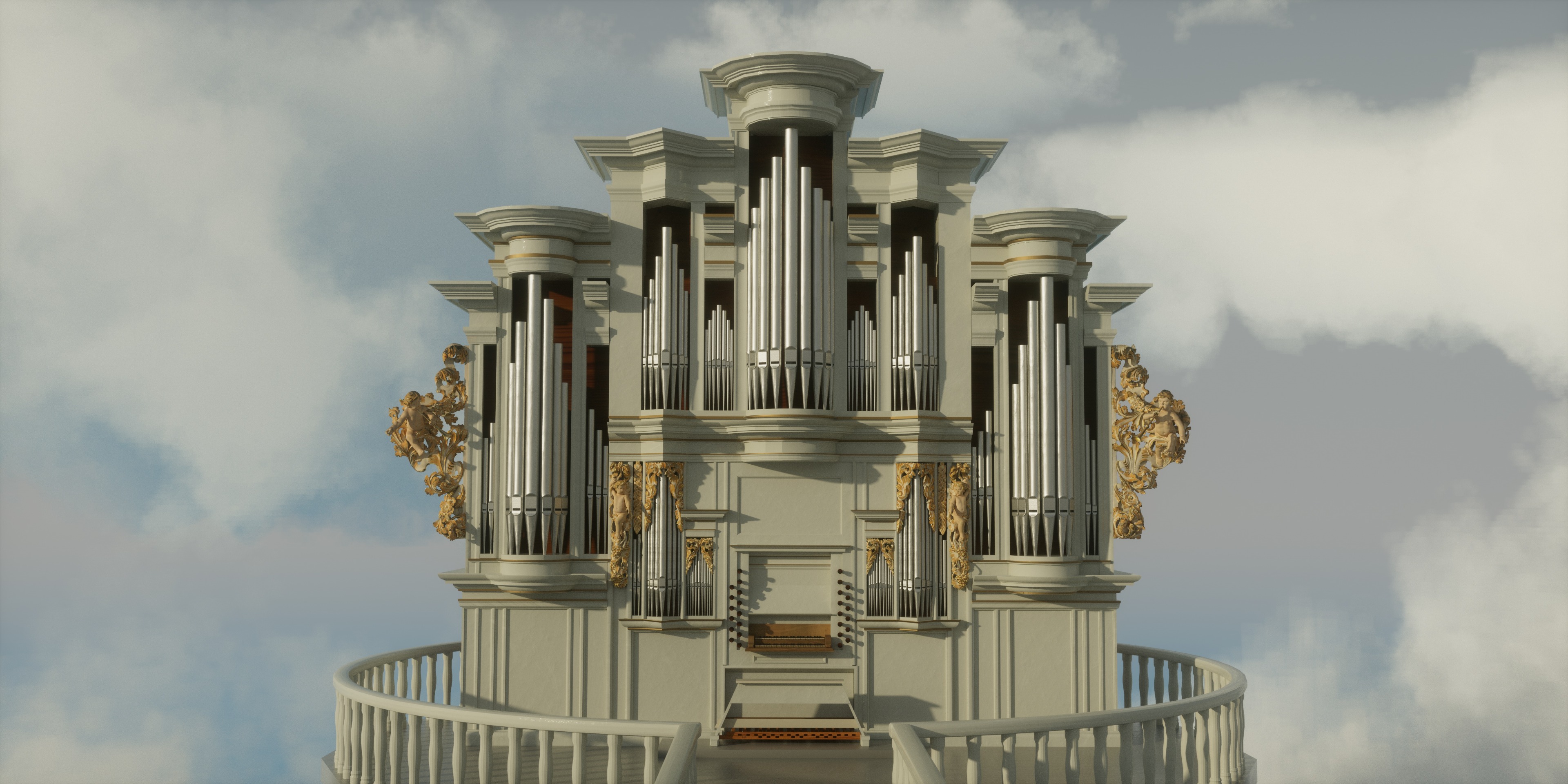
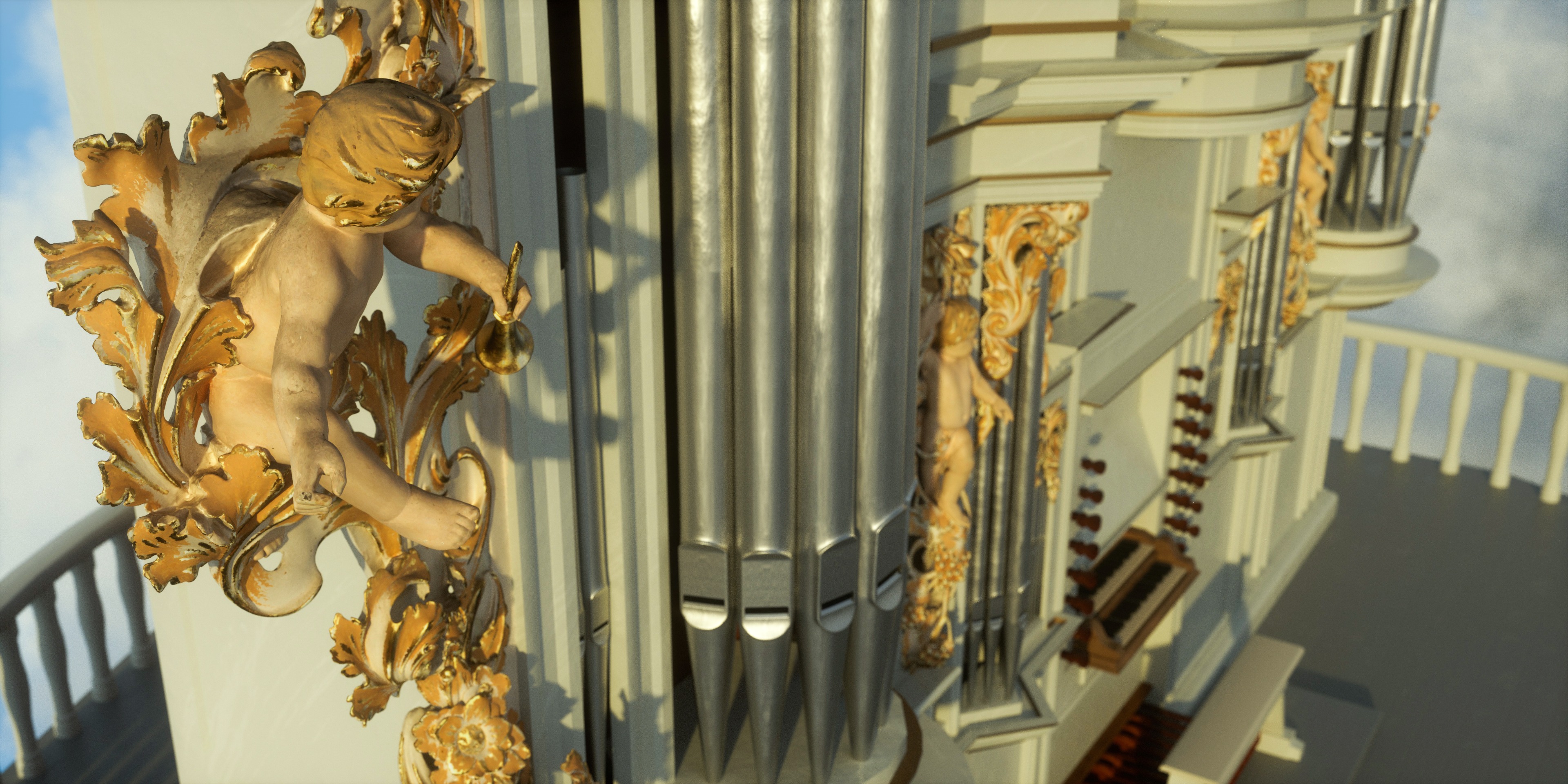
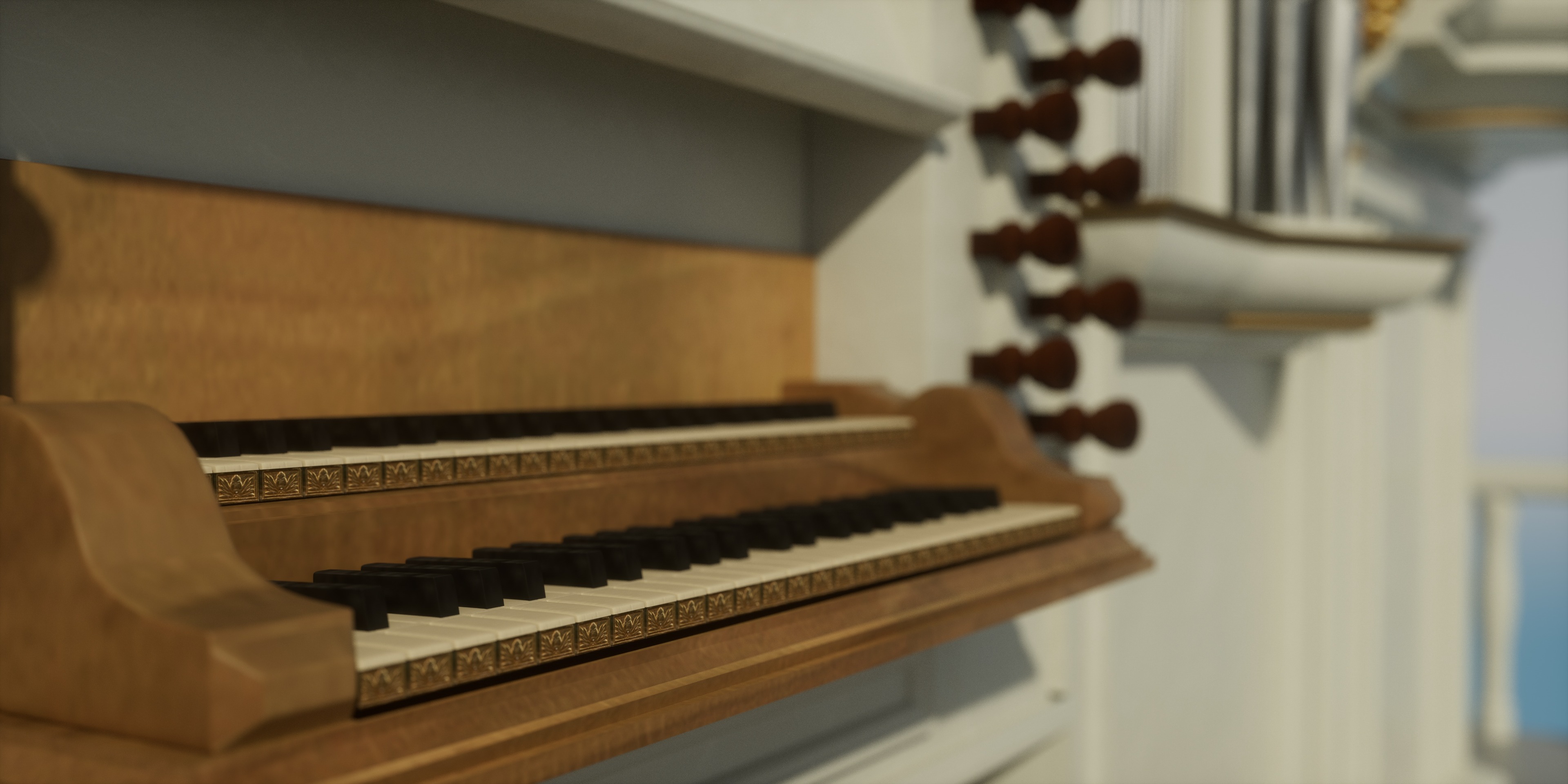
The Bach Organ of Arnstadt in 3D
The methodical implementation was based on a complex data fusion: Historical Analysis: Evaluation of original organ plans to ensure structural accuracy. Precision Data Acquisition: A combination of on-site measurements and high-resolution 3D scans performed directly within the church. Digital Craftsmanship: Photorealistic development of the finest details, from Baroque carvings to the authentic materiality of the pipes.
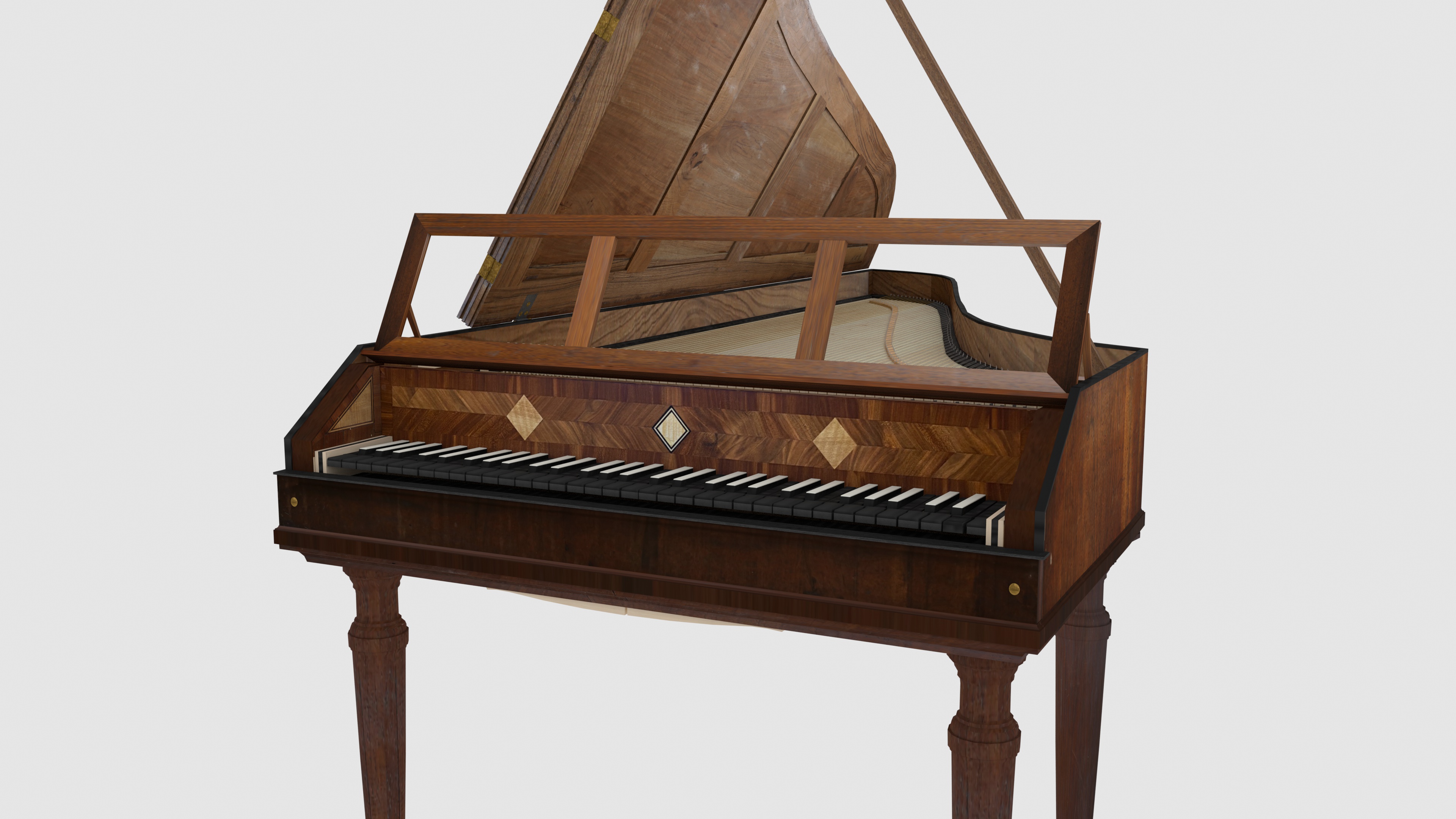
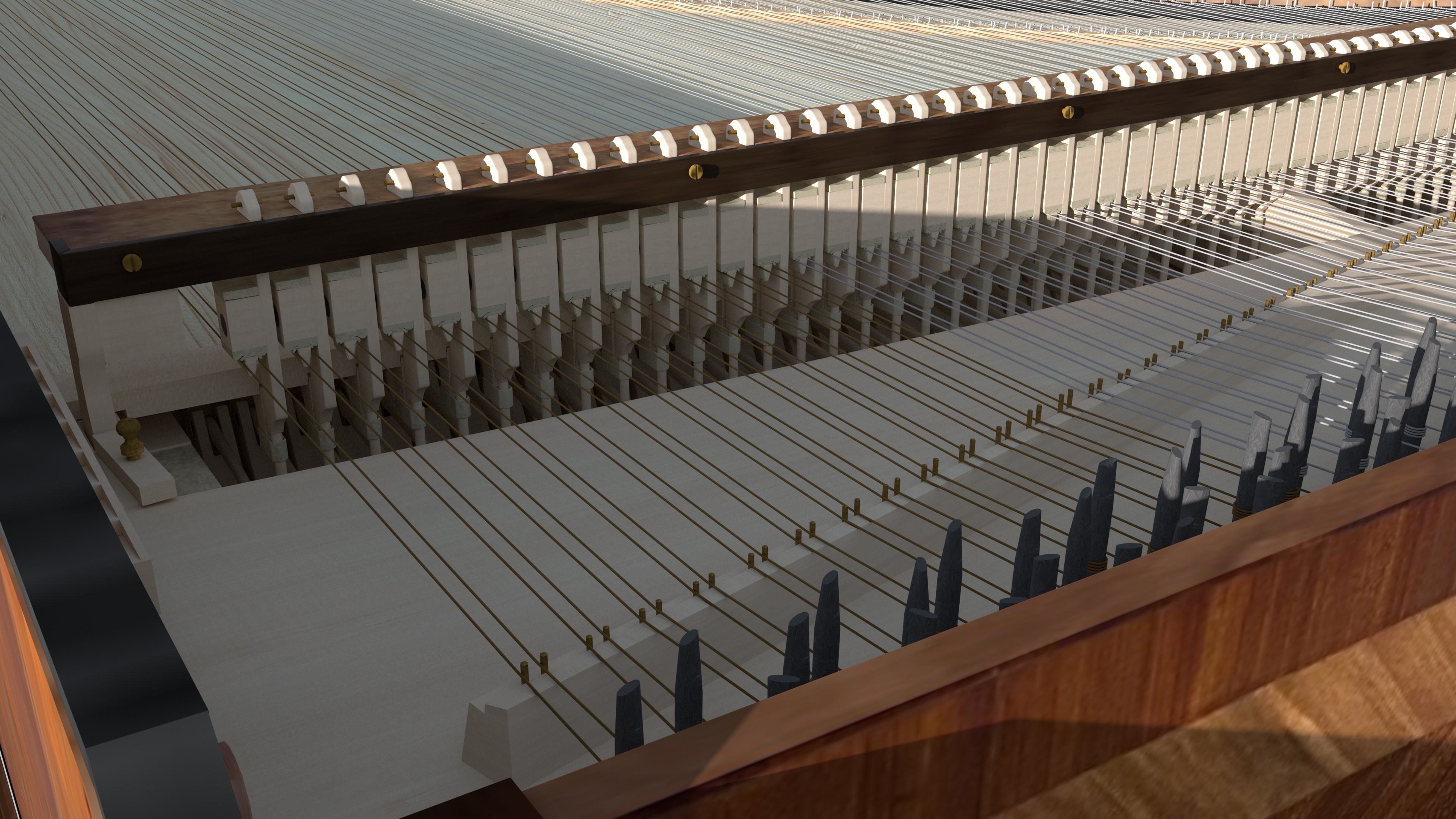
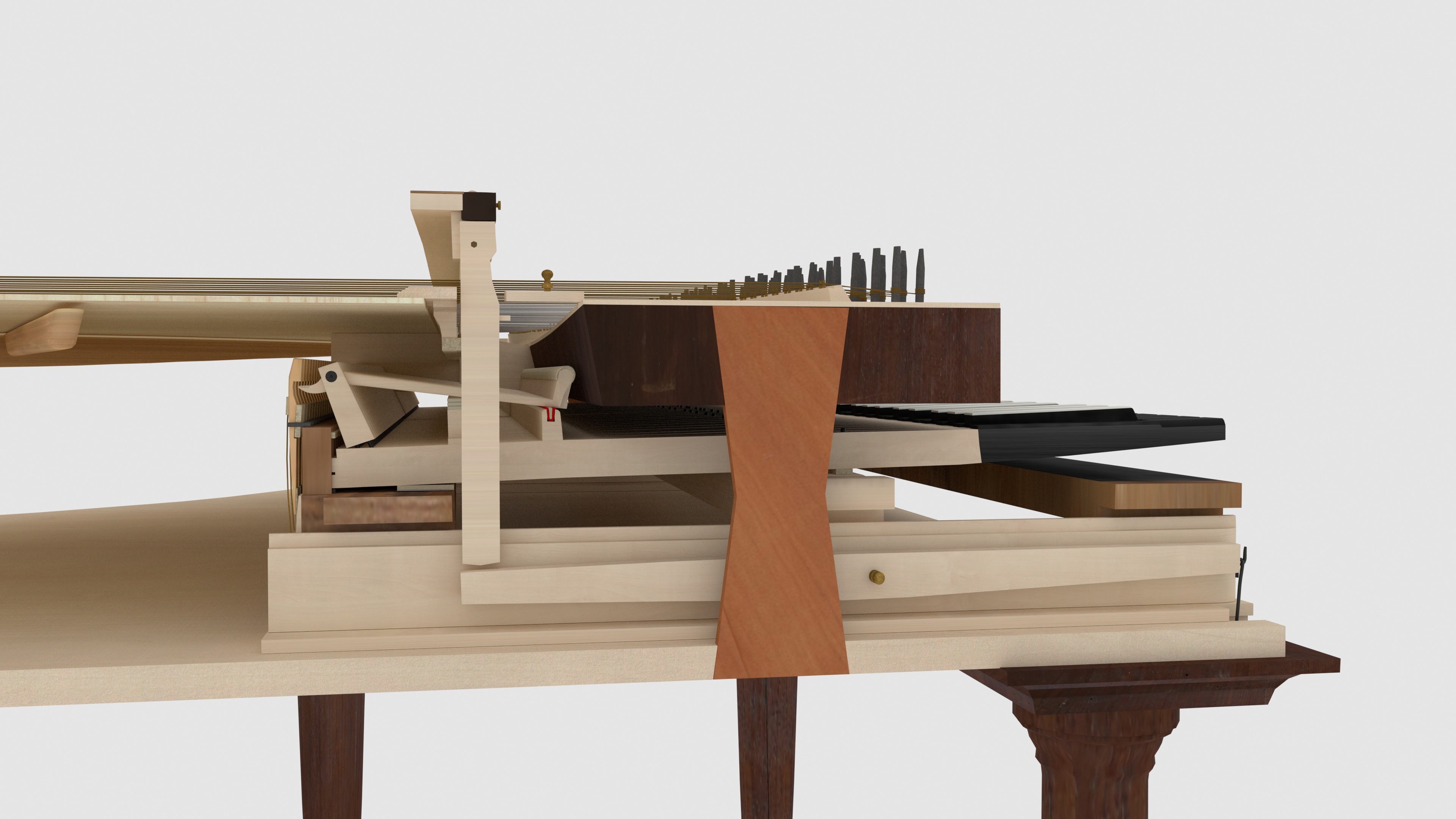
A Glimpse into the Inner Workings of History: Digital Reconstruction of a Fortepiano
Detailed Exploration: From the precise stringing to the complex hammer action, every single component was modeled individually. Material Fidelity: The faithful reproduction of historical woods and metals makes the aesthetics of the 18th century digitally tangible. Scientific Value: By combining CAD data with technical documentation, the model serves as a precise template for organological education and research.
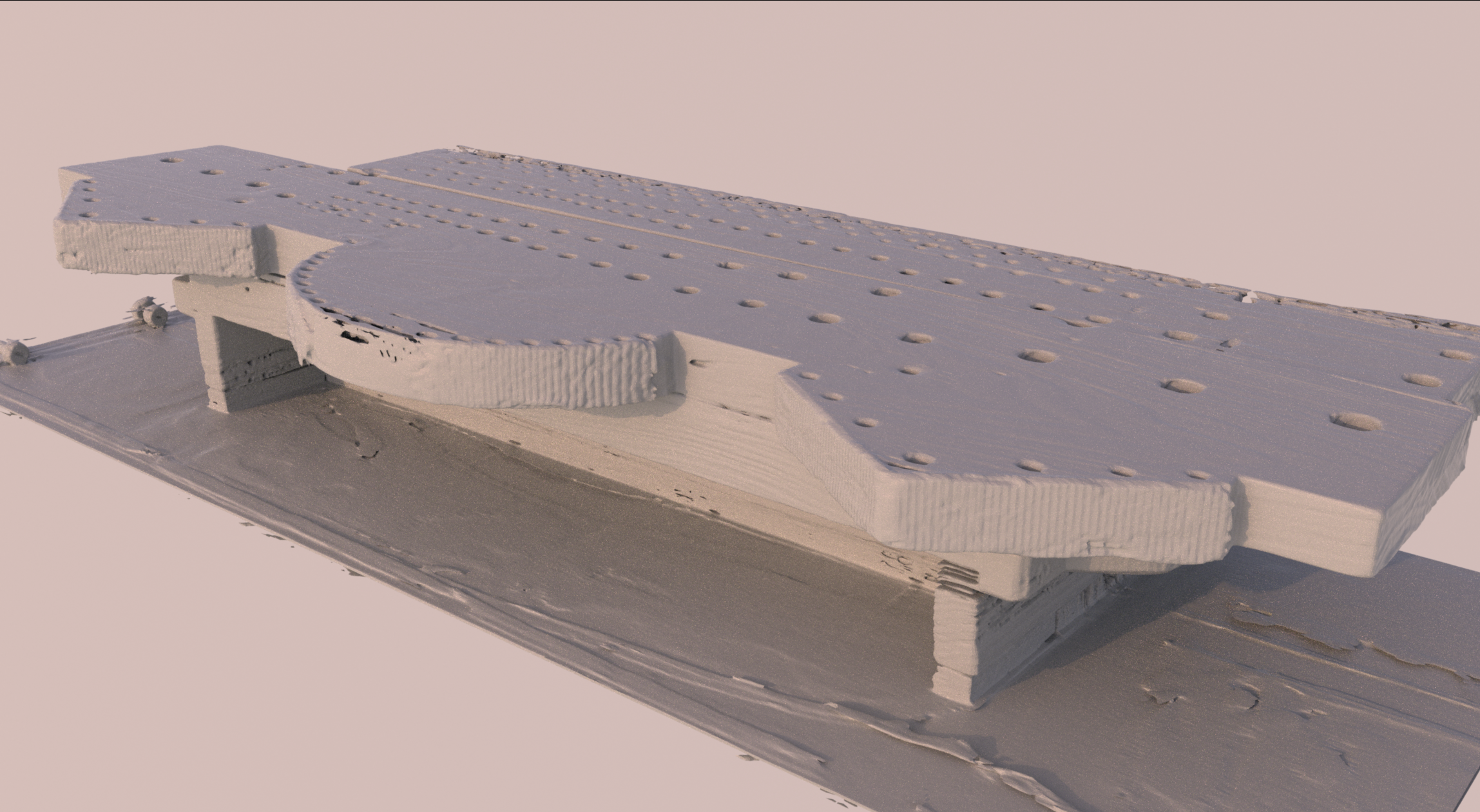
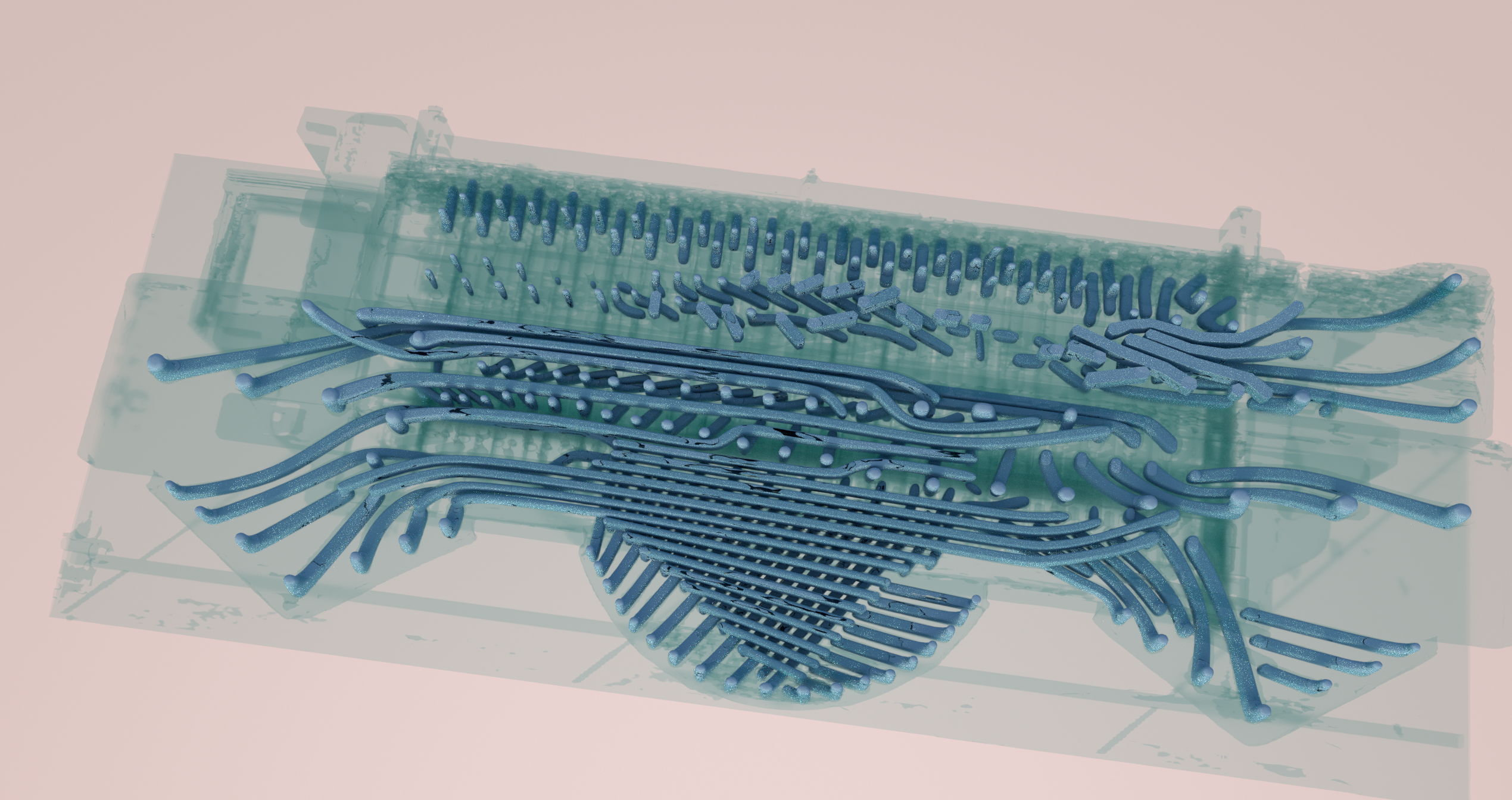
Medical Technology Meets Music History: CT Scan of a 17th-Century Organ Windchest
Analysis of Airflow: The scan allowed the complex paths of air through the so-called "conveyances" (Verführungen) to be fully traced for the first time. Visualization in the Model: Based on this data, the wind channels were implemented within a transparent digital body, making the organ's hidden fluid mechanics visually tangible. Scientific Insight: The use of CT data enables the non-destructive examination of historical substance while simultaneously creating a precise "digital twin" for organological research.
This project impressively demonstrates how interdisciplinary collaboration between medicine and cultural science opens up new perspectives on technical masterpieces from past centuries.